
Selling a home in today’s competitive real estate market isn’t easy. With so many listings showcasing similar photos and descriptions, it’s easy for your property to get overlooked. Buyers scroll quickly, and if your home doesn’t make a strong first impression — visually and emotionally — it can fade into the background.
That’s where home staging comes in. The right staging can turn an ordinary listing into an inspiring vision of someone’s future home. Here are five powerful staging tips that can help your home stand out and sell faster.
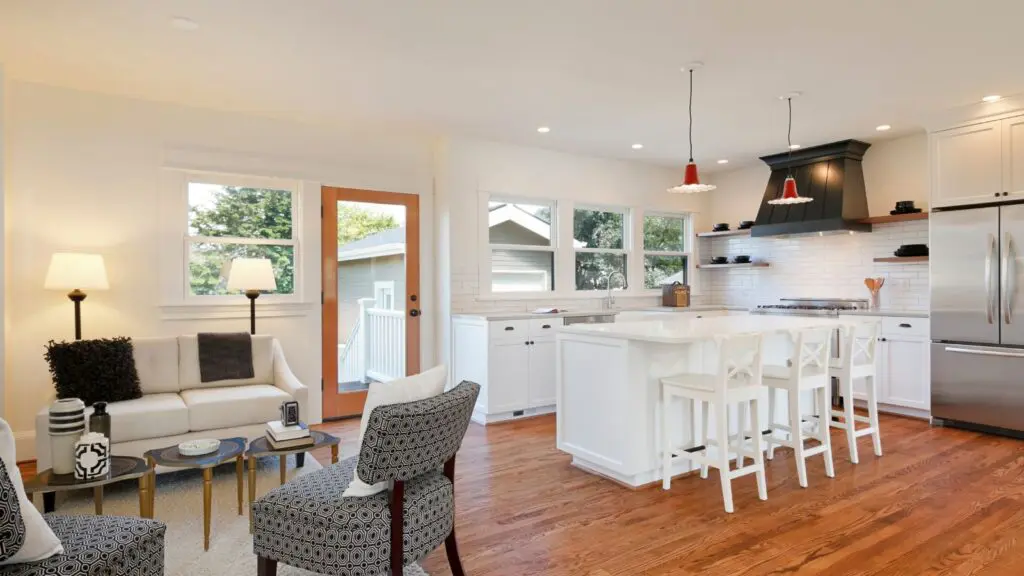
1. Stage with Your Ideal Buyer in Mind
One of the most common staging mistakes is creating a “one-size-fits-all” setup. Instead, tailor your staging to attract your most likely buyer.
Selling a city condo? Highlight open, modern layouts and multifunctional spaces that appeal to busy professionals.
Listing a family home? Showcase cozy and functional areas like a kids’ homework zone or play area.
Targeting young couples? Transform unused corners into stylish home office nooks or relaxation spots.
By designing your space around your ideal buyer’s lifestyle, you create a home that feels instantly relatable — and much easier to fall in love with.
How Experts Spot a Seller’s Market
Real estate professionals often track specific metrics to identify a seller’s market:
1. Low Months of Supply
This metric shows how long it would take to sell all current listings at the current sales pace. In a seller’s market, supply often falls below four months. Extremely competitive markets can have less than one month of inventory, meaning buyers must act quickly when new homes hit the market.
2. High Absorption Rates
The absorption rate reflects how quickly homes are selling. Rates above 25–30% per month indicate a seller’s market, and markets with absorption above 40% suggest homes sell almost as soon as they’re listed.
3. Rising Home Prices
Home prices generally rise in a seller’s market, sometimes by 2% or more per month. Homes consistently selling above asking price are another strong indicator.
4. Multiple Offers
In strong seller’s markets, more than half of homes receive multiple offers. Well-priced properties may attract 5–15 competing bids, and sellers may set deadlines to review all offers at once.
5. Shorter Time on Market
Homes typically sell in under 30 days. In highly competitive areas, 40–60% of homes may sell within the first week of listing.
3. Create Functional “Micro-Zones”
Every inch of space matters. Instead of leaving awkward corners empty, turn them into purposeful areas that spark imagination.
A wide hallway can double as a mini art gallery with a slim console and framed prints.
A kitchen nook can transform into a coffee bar or breakfast spot.
A quiet corner can become a meditation or reading zone.
These micro-zones help buyers see your home’s full potential and inspire them to imagine how they would use every space.
4. Use Visual Anchors to Make Your Home Memorable
Buyers often tour multiple homes in a day — so help yours stand out with distinctive yet elegant visual details.
Create “visual anchors,” such as:
A cozy reading chair under a window with soft lighting.
A coordinated color palette that ties pillows, throws, and wall art together.
A balance of tall, medium, and low elements for visual harmony.
These photo-worthy touches make your home easy to remember when buyers review their list later.
5. Light It Like a Pro
Lighting can make or break your home’s presentation. Natural light is ideal, but artificial lighting helps enhance mood and depth.
Layer three types of light:
Ambient: Overhead lighting to brighten the space.
Task: Focused light for kitchens, desks, or reading areas.
Accent: Lamps, wall sconces, or candles to add warmth and drama.
Use warm LED bulbs (around 2700K) for an inviting glow, add mirrors to reflect light, and consider installing dimmers for flexibility. A well-lit home feels bigger, cleaner, and more luxurious — and that’s exactly what buyers want
Lighting can make or break your home’s presentation. Natural light is ideal, but artificial lighting helps enhance mood and depth.
Layer three types of light:
Ambient: Overhead lighting to brighten the space.
Task: Focused light for kitchens, desks, or reading areas.
Accent: Lamps, wall sconces, or candles to add warmth and drama.
Use warm LED bulbs (around 2700K) for an inviting glow, add mirrors to reflect light, and consider installing dimmers for flexibility. A well-lit home feels bigger, cleaner, and more luxurious — and that’s exactly what buyers want.
Home Staging: More Than Just Décor
At its heart, home staging isn’t just about furniture placement or color palettes — it’s about storytelling. You’re helping buyers picture themselves living happily in your space.
By staging with purpose, you can create an experience that not only makes your home sell faster but also boosts its perceived value. Thoughtful staging transforms your property from “just another listing” into the one buyers can’t stop thinking about.