
Updated November 2026
Whether you are selling in Rancho Cucamonga, Upland, Ontario, Rialto, Fontana, or elsewhere in San Bernardino or Riverside County, it can feel like a lot of moving parts. It helps to see the path in advance.
This guide walks through six steps, from choosing an agent to closing. It is a general overview, not legal advice. DayBreak Group has 45+ years of experience helping people buy and sell homes here, and we are glad to talk through how these steps apply to your property. If you are also buying your next home, you may want to read our 6 Steps to Buying a Home guide alongside this one.

👥 Step One: Find the Right REALTOR®
Your REALTOR® is your main partner when you sell. A REALTOR® is a licensee who belongs to the National Association of REALTORS® and follows its Code of Ethics. You want someone who is as committed to the sale as you are, and who knows the local market: recent sales, pricing, and the practical details of listing a home in this part of the Inland Empire.
Ask people you trust for recommendations. Talk with more than one agent if you like. You can ask about their recent work: how the asking price compared with the final sale price, how long those homes were on the market, and whether the price changed before an offer was accepted. This is also a good time to ask how the agent will market your property. Listen for clear answers, and choose someone you are comfortable working with.
Not every licensee is the same. In California, a real estate salesperson must work under a licensed Broker. A Broker has met higher experience and education requirements and can supervise other agents. When you list with DayBreak Group, your home is handled by a Broker.
This is also the time to talk about compensation. Broker fees are negotiable and are not set by law. Since August 17, 2024, offers to pay a buyer’s agent are no longer shown on the MLS. You may still agree, off the MLS, to pay the buyer’s broker, or you may decline. You may also offer concessions, such as help with a buyer’s closing costs. There is no single required approach. DayBreak Group will explain the options when you list and when offers come in.
💲 Step Two: Price Your Home to Sell
Pricing is one of the most important decisions you will make. An asking price that is too low can leave money on the table. An asking price that is too high can slow things down and, over time, make buyers wonder why the home has not sold.
Your agent should help you set a price based on comparable sales and the current market in your area, not on a guess or on a number from somewhere else. If you would like a starting point, you can also use our Personal Property Value page. Then have a careful, local pricing conversation before you go on the market.
🏡 Step Three: Prepare the Home (Staging and Disclosures)
Staging is the practical work of getting the home ready to show: decluttering, depersonalizing, cleaning, making repairs, painting where it helps, and seeing to the yard. You can do this yourself, hire help, or do a mix of both. We know you’re living there, and no one can keep a home showing-ready 24/7. Once it’s staged, we’ll let you know ahead of each showing so you can switch it back to that ready look before buyers come through. We also have a short guide to staging a home to sell.
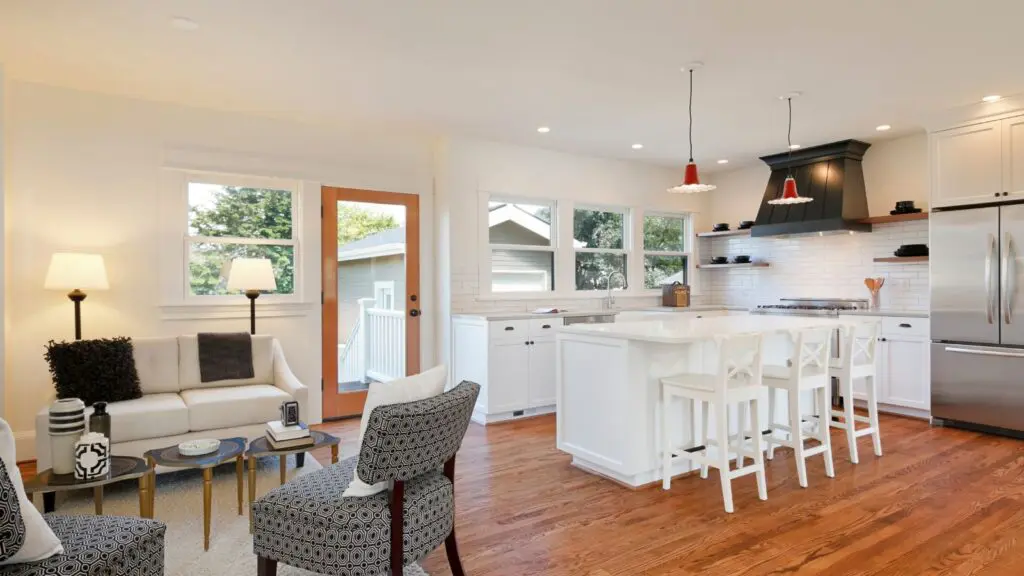
While you are getting the home ready, you will also complete California seller disclosures with your agent. These forms give the buyer important information about the property. Here are the main ones, in plain words:
- Transfer Disclosure Statement (TDS). California Civil Code 1102 requires sellers of most residential properties to give the buyer a Transfer Disclosure Statement. It describes the condition of the home as the seller knows it.
- Seller Property Questionnaire (SPQ). In everyday California practice, sellers also complete a Seller Property Questionnaire, a more detailed set of questions about the property that typically accompanies the TDS.
- Natural Hazard Disclosure. California Civil Code 1103 requires a Natural Hazard Disclosure, which tells the buyer whether the home is in certain mapped hazard areas, such as a flood, fire, or earthquake zone.
- Lead-based paint. For homes built before 1978, federal rules require a lead-based paint disclosure.
- HOA and common-interest documents. If the home is in a common-interest community, such as a condominium or a development with a homeowners association, the buyer should receive the association’s governing documents and related disclosures.
This is a plain-language overview, not a complete list and not legal advice. What applies can depend on the property. If you have questions about the disclosures for your home, call DayBreak Group.
🚪 Step Four: Open Houses and Showings
When your agent shows the home, it usually helps if you are not there. If you stay, buyers feel like they’re visiting your house. If you step out, they’re picturing their new home. If you have pets, make a plan for them if you can. Some people have allergies, and many animals are happier away from a stream of visitors.
Keep the home in good order for each showing. A little warmth does not hurt. Some sellers like to leave something simple in the kitchen that makes the house feel welcoming. Your agent can help you plan open houses and private tours.
📝 Step Five: Offers and Negotiations
Your agent will help you review and compare offers. An offer is more than the price. It may include contingencies, a financing plan, a timeline, and requests such as help with closing costs or a contribution toward the buyer’s broker. Remember, that kind of compensation is not shown on the MLS, and it is something you may agree to or decline.
Be willing to consider offers that look different from what you first had in mind. Your agent can help you counter when it makes sense, and to accept the offer that best fits your needs.
🔎 Step Six: Inspections, Appraisal, and Closing
Once an offer is accepted, the agreement is in place, but the sale is not finished. In a typical California home sale, the buyer often has contingencies: agreed periods to inspect the home, review the appraisal, and confirm the loan. Until those contingencies are removed or expire under the contract, the buyer may still be able to cancel or come back to the table to renegotiate. A home inspection is not a pass/fail event. An appraisal may come in lower than the contract price without “failing.” The contract is not automatically locked in just because the inspector or the appraiser has finished.
In brief:
- Inspection. The buyer typically has time to inspect the home and study reports, and may ask for repairs or a credit.
- Appraisal. The buyer’s lender usually orders an appraisal. If the value comes in below the contract price, the buyer may seek a change in terms, or may cancel if that contingency is still in place.
- Loan. If the buyer is financing the purchase, they usually have time to obtain loan approval. If they cannot, and the loan contingency has not been removed, they may be able to cancel.
Even after contingencies are removed or expire, closing still depends on the loan funding and on the deed being recorded. In California, title usually transfers when the deed is recorded, which may be the same day you sign or sometime after. During this time, you should be packing and preparing to turn over the keys.
If you are selling and also buying another home in California, property-tax rules can affect your next purchase. Our overview of Proposition 19 explains the current rules in plain language, and a tax professional or your county assessor can help you apply them to your situation.
If you are buying as well as selling, our 6 Steps to Buying a Home guide walks through the other side of the transaction.
If you would like to talk about your property, or about buying or selling in the Inland Empire, DayBreak Group is glad to help. There is no pressure and no obligation. Just a straightforward conversation, in English or Spanish, on your schedule.
Call 909-575-8812, email Brett@DayBreakGroup.com, or reach us on our Contact page. You can also start with our Personal Property Value page.
We Make House Calls.
Brett Dunne, DayBreak Group | DRE #01458890